How AI and Machine Learning Are Revolutionizing Freight Route Optimization
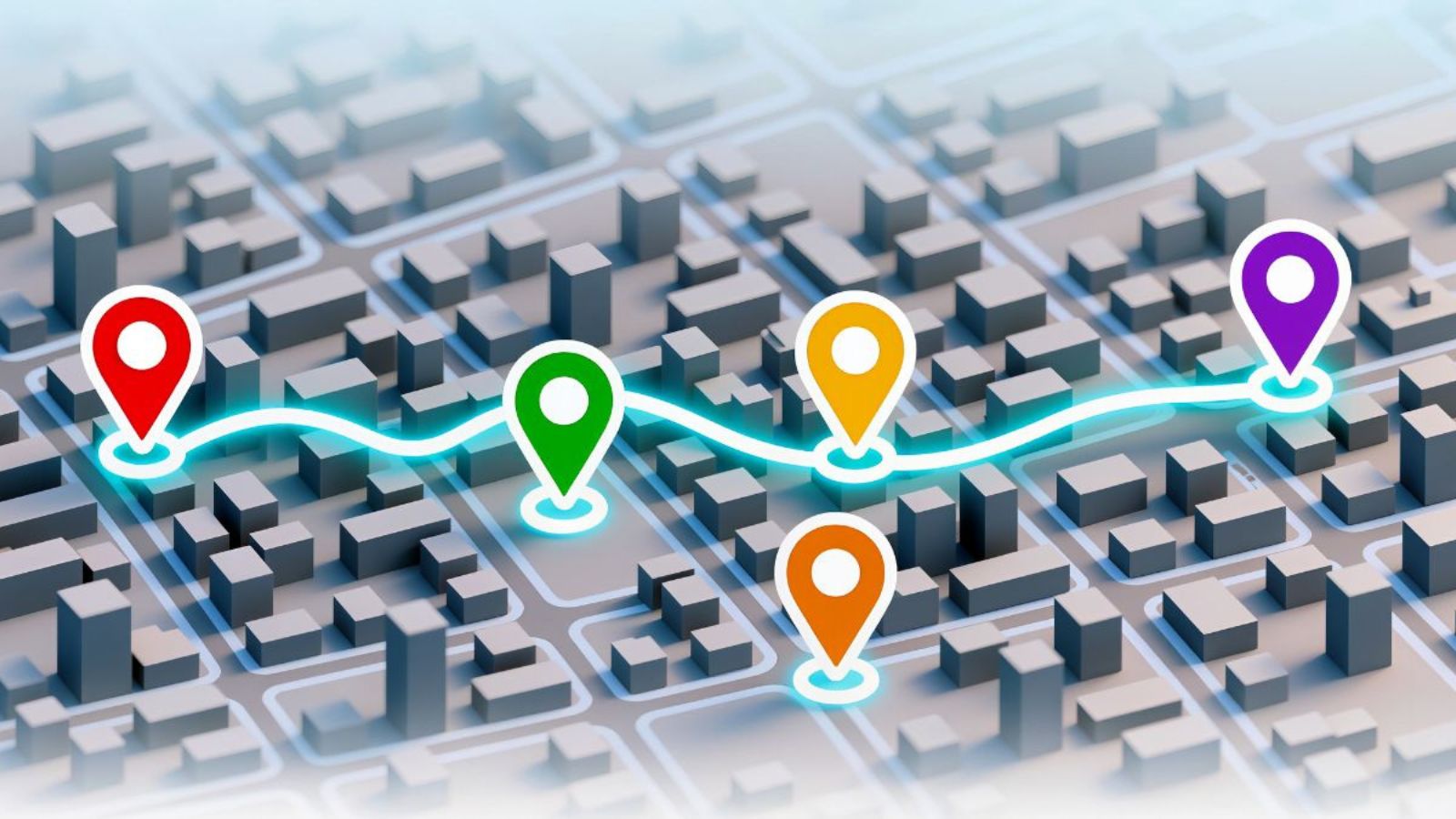
AI and machine learning reshape freight logistics by turning raw shipment data into smarter routing decisions that support a long-term route plan, predictable delivery times, and stronger network performance. Modern platforms use artificial intelligence (AI) and machine learning to predict traffic, weather, and demand. This helps fleets improve routing, reduce fuel costs, and achieve real savings in daily operations.
The article explains how advanced analytics improve operational efficiency, support accurate time deliveries, and enable cost-effective planning through automation and real-time insights. It also outlines how machine learning (ML) supports pricing, dispatch, and capacity planning while strengthening data management for scalable growth.
AI and Machine Learning Applications in Freight Route Optimization
AI and machine learning cut costs, save time, and boost on-time deliveries by improving routing decisions, forecasting demand, and acting on live fleet data. They transform raw location, traffic, and shipment data into clear actions for dispatchers and drivers.
Dynamic Route Planning
AI models analyze road networks, shipment windows, vehicle capacity, and driver hours to create routes that lower miles and wait times. They use combinatorial optimization and reinforcement learning to test many route variations quickly and pick the best one for cost, time, or emissions.
Systems can re-route trucks mid-trip when a load changes or a new pickup appears. They weigh penalties like missed time windows or extra fuel and choose the option with the smallest overall impact. Planners get ranked route options and estimated savings so they can approve or tweak choices.
Benefits listed:
- Faster planning for multi-stop routes
- Better use of empty miles and backhauls
- Clear trade-offs between cost, time, and emissions
Predictive Analytics for Traffic and Demand
Machine learning forecasts near-term traffic and demand using historical GPS, telematics, weather, and economic signals. Models predict congestion hotspots, travel-time distributions, and demand surges for specific lanes or customers.
Planners use those forecasts to shift pickup times, change vehicle types, or consolidate loads before disruptions occur. Predictions also feed cost models that estimate fuel use, driver overtime risk, and expected lateness, so companies can choose lower-risk plans.
Key inputs typically include:
- Past trip durations and speed traces
- Real-time incident feeds and weather
- Historical volume per lane and customer trends
Real-Time Fleet Tracking and Decision Making
Live IoT and ELD data surface delays, idle time, and ETA risks as they happen. Decision engines prioritize alerts and recommend actions such as alternate paths, load swaps, or expedited transfers to protect service commitments.
Automated responses update customers, trigger nearby support vehicles, and coordinate handoffs. These actions help fleets reduce fuel consumption, maintain tight delivery schedules, and improve overall network flow.
Practical outputs include:
- Prioritized incident list with suggested actions
- Automated ETA updates and customer notifications
- Recommended reassignments to avoid missed windows
Impacts and Future Trends in Freight Routing
AI and machine learning are cutting route time, lowering fuel and labor costs, and helping fleets meet emissions targets. They also bring new tech and data needs that carriers must manage.
Cost Reduction and Efficiency Gains
AI cuts empty miles by matching backhauls to loads using predictive demand models. Fleets see lower fuel costs when algorithms route vehicles to avoid idling, congestion, and long detours. Carriers that use dynamic pricing and automated carrier selection reduce bid times and administrative work.
Machine learning improves utilization by planning multi-stop routes and balancing delivery windows. This raises trailer fill rates and reduces the number of trips per week. Real-time rerouting after breakdowns or traffic incidents keeps schedules on track and limits costly detention and missed appointments.
Metrics to track include miles per gallon, cost per shipment, percentage of empty miles, and on-time delivery rate. These KPIs let operators quantify savings and tune models for more gains.
Sustainability Improvements
AI routes that avoid congestion and idle time lower fuel burn and CO2 emissions. Optimized consolidation also reduces the total number of truck trips, cutting emissions per unit moved. Electric fleets benefit from range-aware routing that schedules charging around delivery sequences.
Machine learning predicts demand spikes and seasonal flows, helping planners shift volume to lower-impact modes or consolidate loads before fuel use rises. Companies using these tools can report specific reductions in emissions intensity and fuel consumption for sustainability reporting and compliance.
Sustainable gains depend on data quality: accurate vehicle telematics, load-level information, and updated traffic models. Without those inputs, routing may improve efficiency but miss environmental goals.
Overcoming Implementation Challenges
Data silos and inconsistent telematics make model training hard. Many carriers still run mixed fleets with old vehicles that lack sensors, which limits real-time optimization. Integrators must map and normalize data before AI models perform reliably.
Change management poses another barrier. Dispatchers may distrust automated suggestions, so phased rollouts and easy override controls help adoption. Cost also matters: smaller carriers need low-cost SaaS options or shared platforms to access advanced routing without heavy upfront investment.
Security and privacy require careful design. Firms must secure APIs and follow data governance, so customer and carrier details stay protected while models access the inputs they need.
Nationwide Freight Brokerage & Logistics Services
At The Junction LLC, we provide tailored freight brokerage solutions to meet the evolving needs of businesses across industries
Trucking & Freight Shipping Services:
-
- Overweight,
-
- Over-dimension
-
- Time-sensitive shipments
-
- LTL (Less-Than-Truckload)
-
- FTL (Full Truckload)
-
- Flatbed
-
- Flatbed LTLRGN (removable gooseneck lowboy)
-
- RGN (removable gooseneck lowboy)
-
- Maxi’s / A-Train / B-Train
-
- Heavy Haul
-
- Over Dimensional
-
- Dry Van
-
- Dry Van LTL
-
- Refrigerated
-
- Refrigerated LTL
- Power Only
Nebraska Warehouse One-Stop-Shop | TechnologyEnabled 3PL Value-Added Services Warehouse | Freight Broker | Logistics
Nebraska Warehouse doesn’t just help to facilitate your shipments, but we are truly a one-stop-shop solutions provider. Our services include:
Latest News
The latest information about our Omaha storage warehouse services
Avoid the Summer Freight Squeeze: How Seasonal Demand Impacts Rates and Capacity
Every summer, many shippers and carriers feel the summer freight squeeze as increased demand and...
March 23, 2026
Questions Every Shipper Should Ask Before Choosing A Freight And Logistics Partner
Choosing a freight and logistics partner requires careful evaluation of cost, service quality, and...
March 2, 2026
How AI and Machine Learning Are Revolutionizing Freight Route Optimization
AI and machine learning reshape freight logistics by turning raw shipment data into smarter routing...
February 5, 2026
The Role of Freight Brokers in Modern Logistics: Key Functions & Impact
Freight brokers ensure seamless operations by linking shippers with carriers and facilitating...
January 15, 2026
How Small and Mid-Sized Shippers Can Compete with Big Shippers Using Strategic Brokerage Partnerships
Strategic brokerage partnerships for small shippers give smaller operators a practical way to keep...
December 11, 2025

Women Leading Change in the Logistics Industry: Driving Innovation and Inclusive Growth
Women are transforming the logistics industry by bringing diverse skills, fresh perspectives, and...
December 2, 2025
Sustainability Initiatives Transforming Logistics Operations
Sustainable logistics is reshaping operations by reducing environmental footprints and improving...
October 24, 2025
The Rising Importance of Real-Time Shipment Visibility for Efficient Supply Chain Management
Real-time shipment visibility is essential for businesses seeking a competitive edge and meeting...
October 6, 2025

Exploring AI-Powered Predictive Analytics For Route Optimization In Shipping
Artificial intelligence (AI)-powered predictive analytics is changing how shipping routes are...
September 11, 2025

Last Mile Delivery Solutions: Optimizing Urban Logistics Efficiency
Last mile delivery is the often-overlooked final step in getting a product from a warehouse to...
August 21, 2025