The Role of Freight Brokers in Modern Logistics: Key Functions & Impact

Freight brokers ensure seamless operations by linking shippers with carriers and facilitating well-informed decision-making in contemporary logistics. They save time, lower costs, and reduce risk by matching loads to reliable carriers and using data visualization to track deliveries.
As logistics grows more complex, brokers bring networks, compliance know-how, and real-time tools that help analyze data for better outcomes. Brokers handle shipments, create value for shippers, and adapt operations as technology and industry trends change how goods move.
The Role of Freight Brokers in Modern Logistics: Key Functions & Impact
Core Functions and Value of Freight Brokers
Freight brokers connect shippers to the right carriers, negotiate better rates, manage day-to-day logistics, and implement a risk management strategy. They use carrier networks, real-time tracking, and paperwork control to lower costs and maintain smooth shipments. Freight brokers in modern logistics ensure that operations run efficiently while minimizing risk exposure.
Connecting Shippers and Carriers
Brokers act as the link between a shipper with goods and a carrier with capacity. They match load details, weight, dimensions, pickup and delivery windows, to carriers that have the right equipment, such as dry vans, reefers, or flatbeds.
They speed up capacity sourcing during tight markets by tapping large, pre-vetted carrier lists, helping businesses with risk reduction and avoiding empty trucks and long wait times.
Brokers also handle special requests such as temperature control or lift-gate service. They confirm carrier insurance and operating authority before booking, which supports risk avoidance and protects shippers from compliance gaps.
Freight brokers in modern logistics play a key role in ensuring shippers get reliable and compliant carriers.
Rate Negotiation and Cost Optimization
Freight brokers negotiate freight rates to find price points that align with both shippers and carriers. They assess risks by analyzing route costs, fuel surcharges, and lane history to set competitive offers.
Brokers compare multiple quotes quickly and bundle loads or recommend different shipment modes. For example, switching from full-truckload to less-than-truckload LTL to reduce transportation costs. They document agreed rates and accessorial charges so businesses face fewer billing surprises.
This forms part of a risk management plan for smooth financial operations. Freight brokers in modern logistics also provide cost visibility and optimization insights.
Carrier Network and Selection
A broker’s carrier network is a curated pool of carriers meeting safety, insurance, and performance standards. They vet carriers by checking safety scores, insurance certificates, and references, creating valuable insights for reliable service.
Performance data, on-time percentages, claims history, and equipment reliability help prioritize carriers for specific lanes or cargo types. This risk management process reduces late deliveries and damage, supporting consistent business operations.
Preferred carrier lists secure stable pricing and priority capacity during seasonal peaks. Freight brokers in modern logistics maintain these networks to ensure dependable service.
Logistics Coordination and Risk Management
Brokers coordinate pickups, track shipments in real-time, and handle paperwork like bills of lading and customs documents. They assign dispatchers to monitor milestones and update stakeholders when issues arise.
When disruptions happen, such as natural disasters, equipment failure, or route closures, brokers find new routes. They secure backup capacity and negotiate terms to reduce delays. Risk identification and continuous risk monitoring are part of daily operations, along with verifying carrier compliance and insurance coverage.
Technology, Trends, and the Evolving Logistics Landscape
Modern brokers now rely on software, live data, and automated workflows to optimize routes, cut costs, and manage risk. Open source tools and predictive analytics help foresee demand spikes, truckload capacity, and potential delays. Freight brokers in modern logistics increasingly leverage these technologies to improve operational efficiency.
Modern Transportation Management Systems
Transportation management systems TMS act as the broker’s command center for booking, routing, and billing. A TMS consolidates carrier rates, shipment status, and contract rules so brokers can collect data efficiently and choose the lowest total cost.
Route optimization tools reduce empty miles and improve asset utilization. Connecting with carrier EDI/API and customs systems speeds up cross-border logistics. TMS reporting shows areas for improvement and helps create better customer experiences.
Real-Time Tracking and Data Analytics
Real-time tracking combines GPS, IoT sensors, and telematics to give live updates on location, temperature, and status. Brokers use these insights to reassign capacity, reduce risks, including delays, and adjust shipments dynamically.
Dashboards reveal late pickup causes, dwell time, and detention risk. This makes processes involved in logistics transparent and actionable, while enabling quantifiable service improvements. Freight brokers in modern logistics rely on these insights for proactive decision-making.
Digital Platforms and Automation
Digital platforms connect shippers, carriers, and brokers for quoting, tendering, and payment. Automation handles repetitive tasks, including rate confirmation and invoice matching. Assessing risks and automated exception workflows flag delays, trigger predefined responses, and lower human error.
Sustainability and Future Challenges
Brokers increasingly track carbon footprint per shipment and use route optimization and mode shifts to cut emissions. They offer options like consolidated loads, intermodal solutions, and electric last-mile partners.
Future disruptions from regulatory changes to climate-driven natural disasters require brokers to integrate predictive analytics, flexible digital platforms, and robust TMS systems to maintain resilience.
These strategies provide valuable insights that support long-term operational stability. Freight brokers in modern logistics remain essential for protecting supply chains.
Nationwide Freight Brokerage & Logistics Services
At The Junction LLC, we provide tailored freight brokerage solutions to meet the evolving needs of businesses across industries
Trucking & Freight Shipping Services:
-
- Overweight,
-
- Over-dimension
-
- Time-sensitive shipments
-
- LTL (Less-Than-Truckload)
-
- FTL (Full Truckload)
-
- Flatbed
-
- Flatbed LTLRGN (removable gooseneck lowboy)
-
- RGN (removable gooseneck lowboy)
-
- Maxi’s / A-Train / B-Train
-
- Heavy Haul
-
- Over Dimensional
-
- Dry Van
-
- Dry Van LTL
-
- Refrigerated
-
- Refrigerated LTL
- Power Only
Nebraska Warehouse One-Stop-Shop | TechnologyEnabled 3PL Value-Added Services Warehouse | Freight Broker | Logistics
Nebraska Warehouse doesn’t just help to facilitate your shipments, but we are truly a one-stop-shop solutions provider. Our services include:
Latest News
The latest information about our Omaha storage warehouse services
Questions Every Shipper Should Ask Before Choosing A Freight And Logistics Partner
Choosing a freight and logistics partner requires careful evaluation of cost, service quality, and...
March 2, 2026

How AI and Machine Learning Are Revolutionizing Freight Route Optimization
AI and machine learning reshape freight logistics by turning raw shipment data into smarter routing...
February 5, 2026
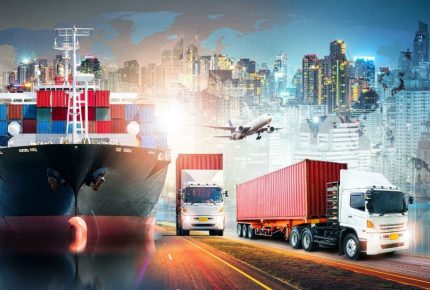
The Role of Freight Brokers in Modern Logistics: Key Functions & Impact
Freight brokers ensure seamless operations by linking shippers with carriers and facilitating...
January 15, 2026
How Small and Mid-Sized Shippers Can Compete with Big Shippers Using Strategic Brokerage Partnerships
Strategic brokerage partnerships for small shippers give smaller operators a practical way to keep...
December 11, 2025

Women Leading Change in the Logistics Industry: Driving Innovation and Inclusive Growth
Women are transforming the logistics industry by bringing diverse skills, fresh perspectives, and...
December 2, 2025
Sustainability Initiatives Transforming Logistics Operations
Sustainable logistics is reshaping operations by reducing environmental footprints and improving...
October 24, 2025
The Rising Importance of Real-Time Shipment Visibility for Efficient Supply Chain Management
Real-time shipment visibility is essential for businesses seeking a competitive edge and meeting...
October 6, 2025

Exploring AI-Powered Predictive Analytics For Route Optimization In Shipping
Artificial intelligence (AI)-powered predictive analytics is changing how shipping routes are...
September 11, 2025

Last Mile Delivery Solutions: Optimizing Urban Logistics Efficiency
Last mile delivery is the often-overlooked final step in getting a product from a warehouse to...
August 21, 2025

How Drone Delivery Could Influence LTL in Remote Regions
In recent years, drone delivery in remote regions has emerged as a promising solution for bridging...
July 24, 2025