5 Operational Tweaks That Help Keep Freight Moving When Heat, Traffic, and Volume Collide
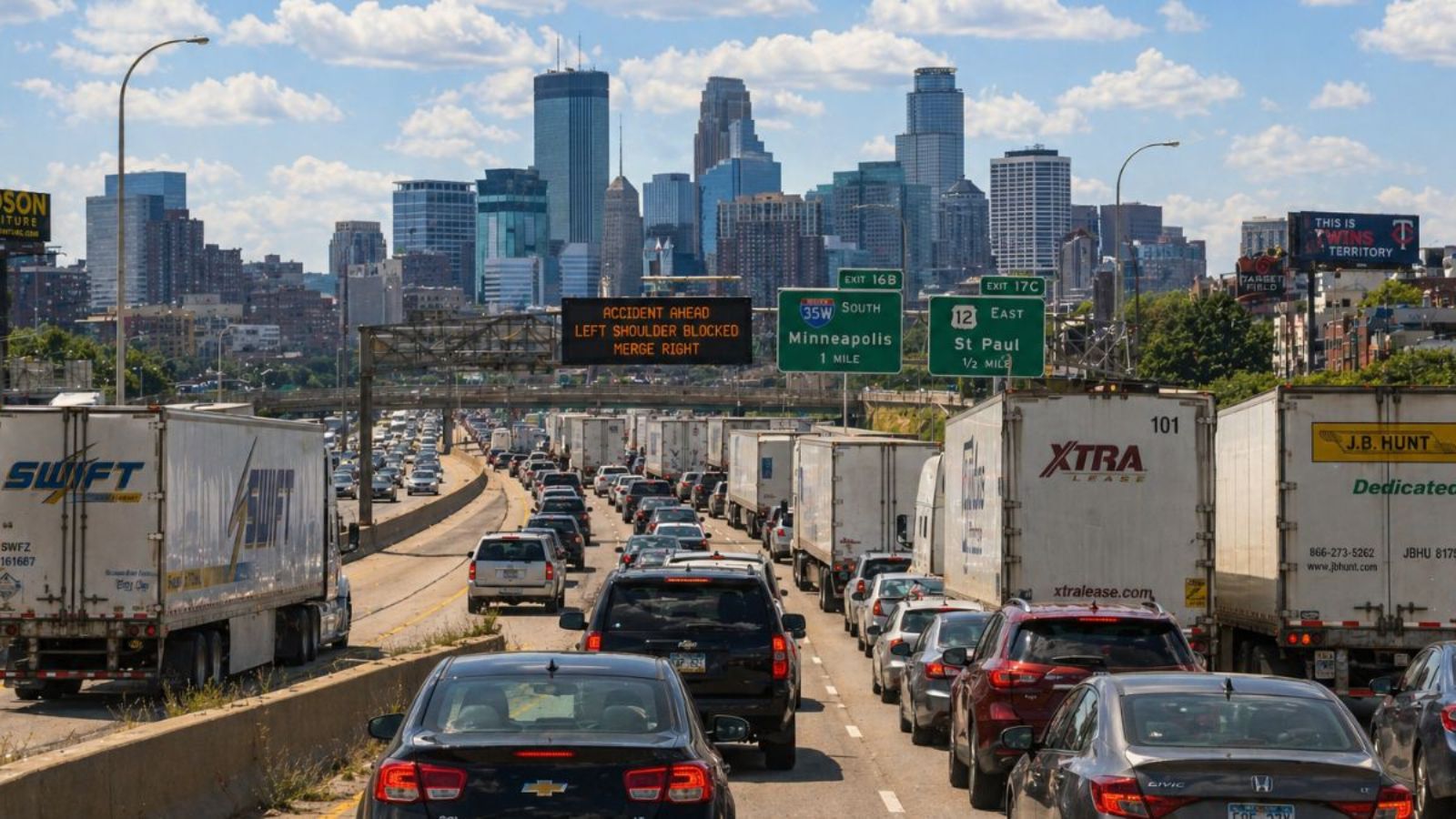
Summer shipping becomes more difficult when heat, traffic, and freight volume rise at the same time. Delays become more common, schedules tighten, and small operational issues can quickly impact the entire supply chain.
Many summer shipping slowdowns are not caused by major breakdowns. Instead, they often come from inefficiencies in daily operations. Better scheduling, routing, communication, and planning can help transportation providers improve delivery consistency, support smarter resource allocation, and reduce operational pressure during peak demand periods.
This article explains five operational adjustments that can help keep freight moving more efficiently throughout the summer while supporting stronger long-term transportation performance.
1. Adjust Dispatch Timing to Reduce Traffic Delays
Summer traffic often increases because of road construction, tourism, and higher shipping demand. Trucks caught in heavy congestion spend more time idling, use more fuel, and risk missing delivery windows.
Adjusting dispatch schedules by sending drivers out earlier in the morning or later in the evening can help reduce traffic exposure and improve delivery reliability.
Benefits of adjusted dispatch timing include:
- More reliable delivery windows
- Less idle time in traffic
- Better fuel efficiency
- Improved use of driver hours
Even small scheduling changes can improve freight movement during high-volume summer periods.
2. Improve Coordination Between Drivers and Warehouses
Poor communication between drivers, dispatchers, and warehouse teams can slow down freight operations quickly. Delays often occur when trucks arrive before loads are ready or when scheduling changes are communicated too late.
Real-time communication helps reduce confusion and allows teams to respond faster when conditions change. Faster updates also help operations managers make more informed decisions during busy shipping periods.
Many transportation providers now use digital scheduling systems to improve coordination between warehouses, loading docks, and drivers.
Operational improvements may include:
- Live shipment tracking
- Shared scheduling systems
- Faster driver check-ins
- Real-time delay alerts
- Better visibility into daily resource utilization
Stronger communication helps teams respond more efficiently when shipping conditions shift throughout the day.
3. Build Flexibility Into Route Planning
Summer road conditions can change quickly due to accidents, storms, construction zones, or increased traffic volume. Fixed routes make it harder for dispatch teams to respond to unexpected delays.
Flexible route planning allows transportation providers to adjust routes throughout the day while maintaining more reliable delivery schedules.
Many logistics companies use capacity planning tools and traffic monitoring systems to track shipment volume, route conditions, and available equipment in real time.
| Operational Area | Benefit During Summer Demand |
|---|---|
| Alternate Routes | Helps avoid traffic and road closures |
| Dynamic Scheduling | Allows faster response to delays |
| Regional Adjustments | Improves local delivery flow |
| Driver Coordination | Supports quicker route changes |
Flexible route planning helps transportation providers respond faster to changing customer demand while maintaining more efficient freight movement.
4. Reduce Dwell Time at Loading and Delivery Points
Freight movement slows down significantly when trucks spend too much time waiting at warehouses, loading docks, or delivery locations. Summer shipping demand often increases congestion at these facilities.
Reducing dwell time allows trucks to stay on the road longer and complete more deliveries throughout the day. Organized scheduling and faster loading procedures also help businesses make better use of available resources during busy shipping periods.
Common causes of dwell time include:
- Incomplete shipment preparation
- Limited dock space
- Delayed paperwork
- Last-minute shipment changes
- Poor visibility into scheduling updates
Reducing loading and unloading delays helps improve delivery flow and prevents schedule backups later in the day.
5. Strengthen Capacity Planning Before Demand Peaks
Freight demand often rises quickly during the summer months. Companies that wait too long to prepare may face staffing shortages, equipment limitations, scheduling conflicts, or underutilized trailer space.
Preparing transportation resources before demand peaks helps operations run more smoothly during busy periods and gives businesses more flexibility when shipping conditions change.
This may include:
- Securing backup carriers
- Adjusting staffing schedules
- Increasing trailer availability
- Monitoring regional shipping demand
- Using capacity planning strategies to improve flexibility
Strong workforce and equipment planning helps transportation providers prepare drivers, dispatchers, and warehouse teams for increased shipping volume.
Many companies also follow capacity planning best practices to improve forecasting and reduce operational slowdowns during peak seasons.
Keep Freight Operations Moving During Peak Summer Demand
Heat, traffic, and rising freight volume create additional pressure across the transportation industry during summer months. Small operational delays can quickly grow into larger shipping disruptions when schedules tighten and demand increases.
Improving dispatch timing, communication, route flexibility, dwell time, and capacity planning can help transportation providers maintain more reliable freight movement throughout the summer season. These operational improvements also support stronger long-term supply chain performance and more efficient transportation management.
Nationwide Freight Brokerage & Logistics Services
At The Junction LLC, we provide tailored freight brokerage solutions to meet the evolving needs of businesses across industries
Trucking & Freight Shipping Services:
-
- Overweight,
-
- Over-dimension
-
- Time-sensitive shipments
-
- LTL (Less-Than-Truckload)
-
- FTL (Full Truckload)
-
- Flatbed
-
- Flatbed LTLRGN (removable gooseneck lowboy)
-
- RGN (removable gooseneck lowboy)
-
- Maxi’s / A-Train / B-Train
-
- Heavy Haul
-
- Over Dimensional
-
- Dry Van
-
- Dry Van LTL
-
- Refrigerated
-
- Refrigerated LTL
- Power Only
Nebraska Warehouse One-Stop-Shop | TechnologyEnabled 3PL Value-Added Services Warehouse | Freight Broker | Logistics
Nebraska Warehouse doesn’t just help to facilitate your shipments, but we are truly a one-stop-shop solutions provider. Our services include:
Latest News
The latest information about our Omaha storage warehouse services
Why Is My Reefer Tender Being Rejected When My Contract Rate Is Still Valid?
A reefer tender can be rejected even when the contracted rate is still active. This can be...
September 25, 2026
Midwest Cross-Dock Staging vs. Direct Truckload: Which Protects Fall Retail Resets at the Lowest Total Cost?
Fall retail resets create a narrow transportation window. Merchandise may be ready before stores...
September 2, 2026
From Cool Trailer to Condensation Disaster: Where Moisture Problems in the Supply Chain Actually Start
Moisture problems in the supply chain can develop even when a refrigerated trailer maintains the...
August 4, 2026
How One Missed School Delivery Window Turned Into a Weeklong Cold Chain Headache
A delivery appointment is more than a scheduled stop. In cold chain logistics, it helps keep...
July 3, 2026

Are You Using the Right Packaging Strategy for Heat-Sensitive Products in Transit?
Shipping products in hot weather can be difficult. Heat can affect many types of goods, especially...
June 12, 2026

Manual Processes vs Automated Workflows: Which Keeps Freight Moving Better in Peak Season?
Peak shipping season can create major pressure across the supply chain. Freight volume increases,...
May 21, 2026

5 Operational Tweaks That Help Keep Freight Moving When Heat, Traffic, and Volume Collide
Summer shipping becomes more difficult when heat, traffic, and freight volume rise at the same...
May 11, 2026

LTL vs. FTL: Which Option Actually Saves You More This Summer
LTL vs. FTL remains a central comparison for businesses managing shipping costs during peak summer...
April 14, 2026

Avoid the Summer Freight Squeeze: How Seasonal Demand Impacts Rates and Capacity
Every summer, many shippers and carriers feel the summer freight squeeze as increased demand and...
March 23, 2026
Questions Every Shipper Should Ask Before Choosing A Freight And Logistics Partner
Choosing a freight and logistics partner requires careful evaluation of cost, service quality, and...
March 2, 2026