LTL vs. FTL: Which Option Actually Saves You More This Summer
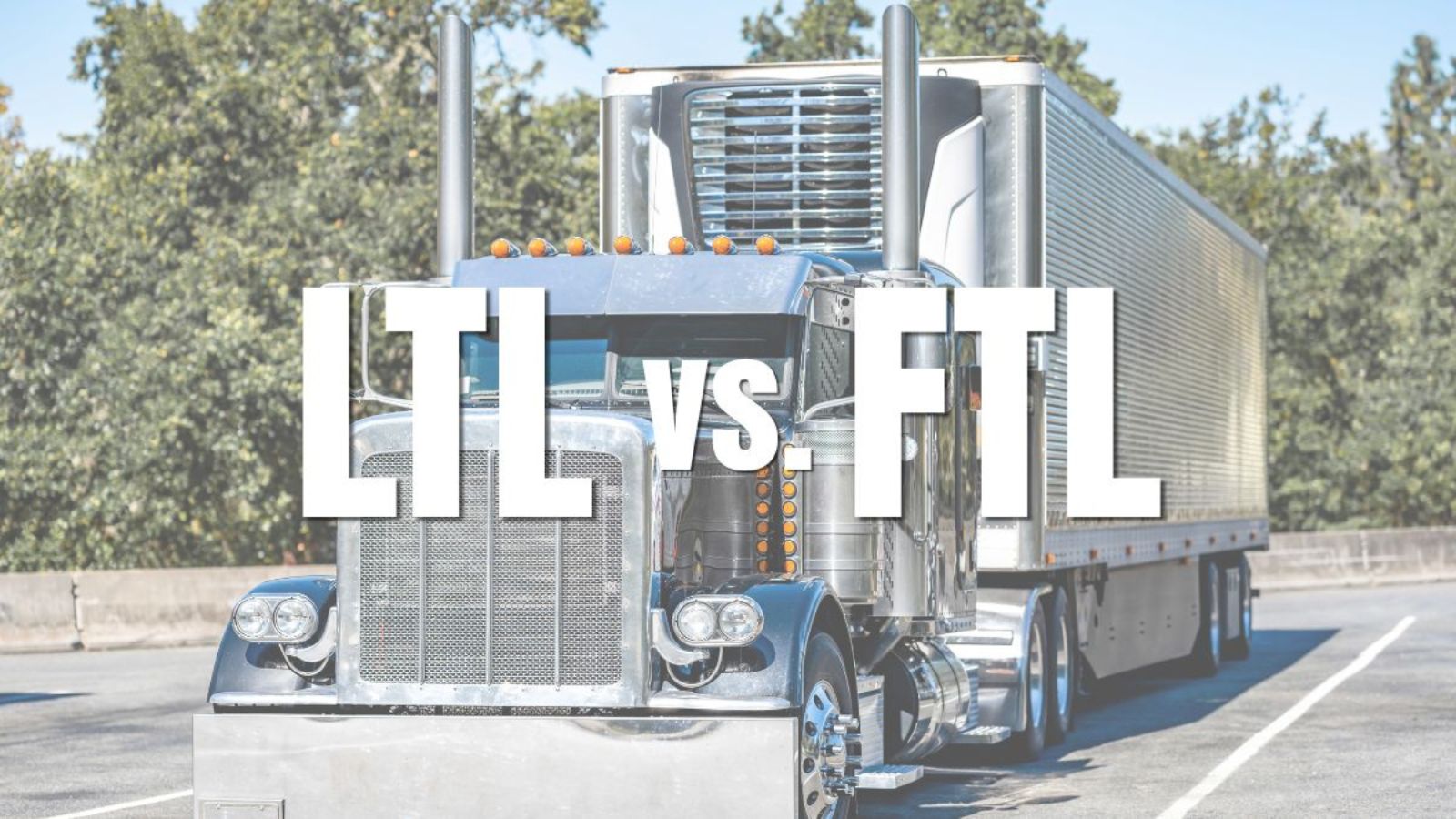
LTL vs. FTL remains a central comparison for businesses managing shipping costs during peak summer demand. Seasonal volume increases and rising transportation rates make cost control a priority across industries.
Freight decisions often come down to balancing shipment size, delivery speed, and overall efficiency. Each method performs differently under summer pressure, where capacity limits and rate changes are common.
This article explains how LTL (Less-Than-Truckload) and FTL (Full Truckload) compare in real shipping scenarios, including cost structures, seasonal challenges, and practical decision factors. It outlines when each option delivers stronger savings based on shipment size, urgency, and handling needs.
Breaking Down LTL and FTL Shipping Methods
LTL and FTL start with how freight is organized and transported. Each method relies on different shipping services that influence cost, timing, and operational complexity.
Less-than-truckload shipping groups multiple shipments into one trailer. These LTL shipments are managed by specialized LTL carriers, allowing shared space to reduce costs, especially for small businesses handling lower freight volumes.
Full truckload shipping assigns one shipment to an entire trailer. This direct approach reduces handling and shortens transit time, which can be valuable during high-demand summer periods. Key characteristics include:
LTL shipping
- Shared space with other shipments
- More stops and handling points
- Pricing based on size and dimensional weight
FTL shipping
- Exclusive use of the trailer
- Direct delivery with fewer delays
- Higher upfront cost but more control
LTL vs. FTL: Cost Differences and What Drives Pricing
LTL and FTL pricing depends on several variables, including shipment size, distance, and seasonal demand. These factors shift more noticeably during the summer when freight activity increases.
LTL rates are based on weight, dimensions, and freight classification. While the shared model lowers base cost, extra charges may apply depending on service requirements and delivery conditions.
FTL rates are influenced by distance, fuel costs, and truck availability. Although the initial price is higher, larger shipments often benefit from a lower cost per unit when space is fully used.
| Factor | LTL Shipping | FTL Shipping |
|---|---|---|
| Pricing Model | Based on weight, size, and freight class | Based on mileage, lane, and truck demand |
| Best For | Small to medium shipments | Large or full truckload shipments |
| Cost Efficiency | Lower upfront cost for partial loads | Better cost per unit for large volumes |
| Transit Time | Slower due to multiple stops | Faster with direct routing |
| Handling | Multiple transfers increase handling | Minimal handling throughout transit |
| Risk Level | Higher due to consolidation | Lower due to limited contact points |
| Flexibility | More options for smaller shipments | More structured scheduling |
| Capacity Access | Easier for smaller loads | Limited during peak periods |
| Extra Fees | Common accessorial charges | Possible detention and fuel costs |
| Tracking | Can vary between transfers | More consistent end-to-end tracking |
| Ideal Scenario | Flexible timelines and lower volume | Urgent or high-volume freight |
Hidden costs can influence the final expense. These costs include accessorial fees in LTL and delays in FTL operations. Both can reduce the overall cost-saving potential.
Summer Shipping Pressures and Cost Impact of LTL vs FTL
Seasonal demand creates added pressure across the freight market. Understanding LTL vs FTL becomes more important as rates and capacity shift during the summer months.
Higher demand can slow down deliveries and affect delivery times. This can also reduce available trucks, which increases costs and lowers profit margin.
Heat and weather conditions also affect shipping decisions. Goods that are sensitive to temperature may require faster transit or reduced handling, especially when exposure could affect quality.
Common summer challenges include:
- Higher shipment volumes across industries
- Limited truck availability in busy regions
- Increased risk of delays from congestion
- Temperature exposure for sensitive freight
These conditions can change which method provides better value. LTL remains efficient for smaller loads, while FTL can reduce delays and handling risks for larger or time-sensitive shipments.
Choosing the More Cost-Effective Option
Deciding between LTL vs FTL depends on how shipments align with cost and timing priorities. Each method becomes more effective under specific conditions.
LTL shipping is often the better choice when freight does not require a full trailer. The shared cost structure helps reduce expenses, especially when delivery timelines are flexible.
FTL shipping becomes more efficient when volume increases or timing is critical. Direct transport lowers handling and transit time, which can reduce indirect costs linked to delays or damage.
A simple framework helps guide the decision:
Choose LTL when:
- Shipment size is small or moderate
- Delivery deadlines are flexible
- Lower upfront cost is the priority
- Shipment size is small or moderate
Choose FTL when:
- Shipment fills most of a trailer
- Speed and reliability are required
- Freight needs minimal handling
Get a Custom Shipping Cost Estimate
A well-planned shipping strategy can significantly improve efficiency and control costs during peak summer demand. Comparing LTL vs FTL options helps identify the most suitable approach based on shipment size, timing, and budget needs.
Requesting a custom shipping cost estimate provides a clearer view of potential expenses and service options. This step helps align logistics planning with actual freight requirements, making it easier to choose the most practical and cost-effective shipping solution.
Nationwide Freight Brokerage & Logistics Services
At The Junction LLC, we provide tailored freight brokerage solutions to meet the evolving needs of businesses across industries
Trucking & Freight Shipping Services:
-
- Overweight,
-
- Over-dimension
-
- Time-sensitive shipments
-
- LTL (Less-Than-Truckload)
-
- FTL (Full Truckload)
-
- Flatbed
-
- Flatbed LTLRGN (removable gooseneck lowboy)
-
- RGN (removable gooseneck lowboy)
-
- Maxi’s / A-Train / B-Train
-
- Heavy Haul
-
- Over Dimensional
-
- Dry Van
-
- Dry Van LTL
-
- Refrigerated
-
- Refrigerated LTL
- Power Only
Nebraska Warehouse One-Stop-Shop | TechnologyEnabled 3PL Value-Added Services Warehouse | Freight Broker | Logistics
Nebraska Warehouse doesn’t just help to facilitate your shipments, but we are truly a one-stop-shop solutions provider. Our services include:
Latest News
The latest information about our Omaha storage warehouse services
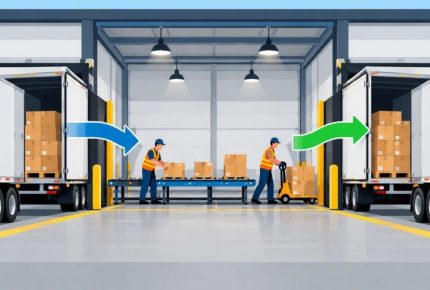
Cross-Docking vs. Holding Freight in Storage: Which One Saves a Missed Delivery?
A shipment can reach a warehouse on time and still miss its delivery appointment. The problem may...
October 14, 2026
Why Is My Reefer Tender Being Rejected When My Contract Rate Is Still Valid?
A reefer tender can be rejected even when the contracted rate is still active. This can be...
September 25, 2026
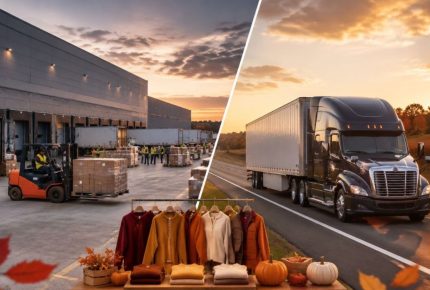
Midwest Cross-Dock Staging vs. Direct Truckload: Which Protects Fall Retail Resets at the Lowest Total Cost?
Fall retail resets create a narrow transportation window. Merchandise may be ready before stores...
September 2, 2026
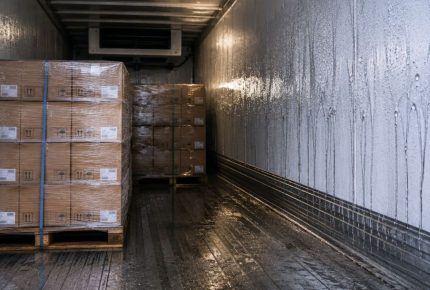
From Cool Trailer to Condensation Disaster: Where Moisture Problems in the Supply Chain Actually Start
Moisture problems in the supply chain can develop even when a refrigerated trailer maintains the...
August 4, 2026

How One Missed School Delivery Window Turned Into a Weeklong Cold Chain Headache
A delivery appointment is more than a scheduled stop. In cold chain logistics, it helps keep...
July 3, 2026

Are You Using the Right Packaging Strategy for Heat-Sensitive Products in Transit?
Shipping products in hot weather can be difficult. Heat can affect many types of goods, especially...
June 12, 2026

Manual Processes vs Automated Workflows: Which Keeps Freight Moving Better in Peak Season?
Peak shipping season can create major pressure across the supply chain. Freight volume increases,...
May 21, 2026

5 Operational Tweaks That Help Keep Freight Moving When Heat, Traffic, and Volume Collide
Summer shipping becomes more difficult when heat, traffic, and freight volume rise at the same...
May 11, 2026
LTL vs. FTL: Which Option Actually Saves You More This Summer
LTL vs. FTL remains a central comparison for businesses managing shipping costs during peak summer...
April 14, 2026

Avoid the Summer Freight Squeeze: How Seasonal Demand Impacts Rates and Capacity
Every summer, many shippers and carriers feel the summer freight squeeze as increased demand and...
March 23, 2026