Manual Processes vs Automated Workflows: Which Keeps Freight Moving Better in Peak Season?
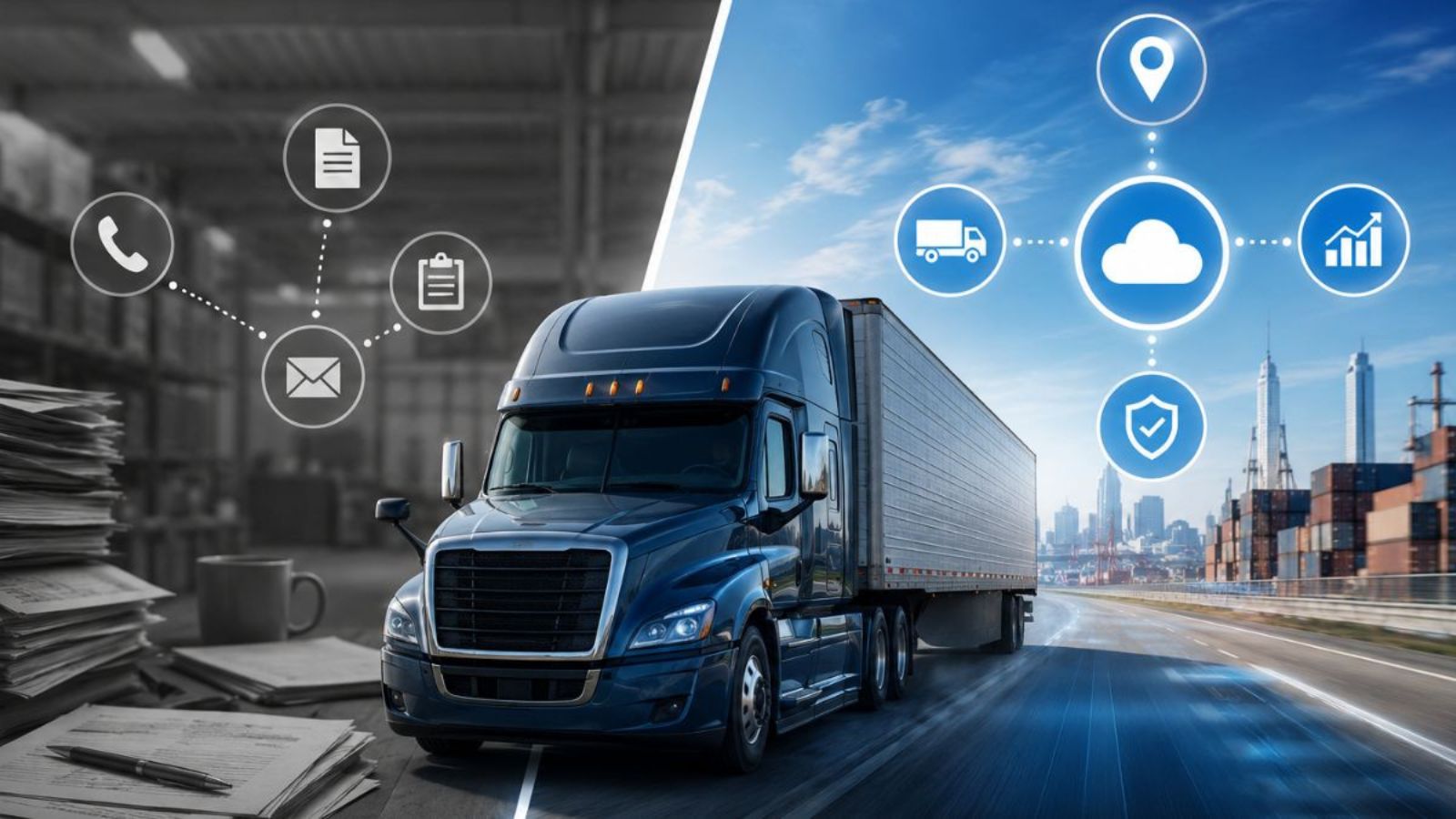
Peak shipping season can create major pressure across the supply chain. Freight volume increases, schedules become tighter, and delays happen more often. A small issue in one part of the process can quickly affect deliveries, warehouse activity, and customer expectations.
That’s why understanding manual processes vs automated workflows is important in freight operations. Some transportation teams still rely on manual coordination, while others use automated systems to manage tracking, scheduling, and communication.
Both approaches can support freight movement. However, peak season often reveals which systems help teams respond faster, reduce delays, and keep operations running more smoothly.
Why Peak Season Creates More Challenges
Freight operations become harder during busy shipping periods because more loads move through the system at the same time. Warehouses handle more orders, dispatchers manage more schedule changes, and drivers face heavier traffic and tighter delivery windows.
Transportation teams must also deal with:
- Traffic congestion
- Weather delays
- Equipment shortages
- Longer loading times
- Last-minute shipment changes
- Limited trailer availability
Even a small delay can affect the rest of the schedule. A late pickup may push back several deliveries later in the day. As shipment volume rises, it becomes more difficult for teams to manage every update manually.
How Manual Processes Work in Freight Operations
Many logistics companies still use manual systems for parts of their transportation operations. Dispatchers may contact drivers through phone calls, warehouse teams may track loads in spreadsheets, and shipment updates may be shared through emails or text messages.
Manual coordination can still work well for smaller operations. Teams can communicate directly and make quick decisions when conditions change.
Experienced dispatchers and brokers also know how to solve problems quickly during unexpected situations. However, manual systems often become harder to manage during peak season because there is more information to track throughout the day.
| Manual Process Problem | Result |
|---|---|
| Slow communication | Delayed updates |
| Manual data entry | More mistakes |
| Paper-based records | Slower processing |
| Limited shipment visibility | Harder tracking |
| Separate systems | Coordination problems |
These issues can slow down freight movement and create delays across the supply chain.
How Automated Workflows Help Keep Freight Moving
Automated workflows help transportation providers manage freight more efficiently during busy periods. Digital systems allow teams to update schedules, monitor deliveries, and share information in real time.
Automation does not replace operations teams. Instead, it helps reduce repetitive work and improves communication between departments. Many transportation operations now use automated systems to improve:
- Real-time shipment tracking
- Shipment visibility
- Route planning
- Dispatch scheduling
- Driver communication
- Dock scheduling
- Capacity planning
- Load status updates
When delays happen, teams can respond faster because they have immediate access to updated shipment information.
Better Shipment Visibility Improves Coordination
One of the biggest benefits of automation is stronger shipment visibility. During peak season, delays often happen because teams do not receive updates quickly enough.
For example, a warehouse may not know a truck is arriving late, or a dispatcher may not receive loading updates in time to adjust schedules.
These small communication gaps can affect deliveries throughout the day. Automated systems help dispatchers, warehouse teams, brokers, and drivers view the same shipment information in one place. This improves coordination and reduces confusion. Better shipment visibility often helps improve:
- Delivery updates
- Driver scheduling
- Dock coordination
- Route adjustments
- Response time during delays
It also reduces waiting time at warehouses and loading facilities. Trucks spend less time sitting idle and more time moving freight.
Manual Oversight Still Matters
Even with advanced logistics software, freight transportation still depends on experienced people. Automated systems can organize information quickly, but operations teams are still needed to handle unexpected problems.
Peak season often creates situations that require fast decisions, including:
- Weather disruptions
- Equipment breakdowns
- Last-minute customer requests
- Capacity shortages
- Time-sensitive shipments
- Specialized freight needs
Dispatchers, brokers, and operations teams help solve these problems by adjusting schedules, coordinating drivers, and communicating with customers. Technology improves efficiency, but human oversight remains an important part of transportation operations.
Combining Automation With Flexibility
Many freight providers now use a mix of automated workflows and manual coordination. Automation improves speed and shipment visibility, while operations teams provide flexibility when schedules change unexpectedly.
For example, routing software may suggest a faster delivery route. However, dispatchers still need to review traffic conditions, driver hours, customer requirements, and equipment availability before making changes.
Using both approaches together often creates a more reliable operation during peak shipping periods.
| Operational Need | Best Solution |
|---|---|
| Shipment visibility | Automated systems |
| Real-time shipment tracking | Digital tools |
| Administrative tasks | Automation |
| Customer communication | Operations teams |
| Problem-solving | Human oversight |
This balance helps transportation providers stay organized while still responding quickly to changing conditions.
Which Approach Works Better During Peak Season? Automated Workflows or Manual Processes?
Automated workflows often provide stronger support during peak shipping periods because they improve shipment visibility, speed up communication, and reduce delays caused by manual processing.
At the same time, experienced logistics professionals are still needed to manage situations that technology cannot fully handle on its own.
For most freight companies, the goal is not to choose between automation and manual processes. The goal is to build transportation operations where technology and operations teams work together efficiently.
As shipping demand continues to rise, companies that combine automated systems with experienced coordination are often better prepared to keep freight moving during busy seasons.
Nationwide Freight Brokerage & Logistics Services
At The Junction LLC, we provide tailored freight brokerage solutions to meet the evolving needs of businesses across industries
Trucking & Freight Shipping Services:
-
- Overweight,
-
- Over-dimension
-
- Time-sensitive shipments
-
- LTL (Less-Than-Truckload)
-
- FTL (Full Truckload)
-
- Flatbed
-
- Flatbed LTLRGN (removable gooseneck lowboy)
-
- RGN (removable gooseneck lowboy)
-
- Maxi’s / A-Train / B-Train
-
- Heavy Haul
-
- Over Dimensional
-
- Dry Van
-
- Dry Van LTL
-
- Refrigerated
-
- Refrigerated LTL
- Power Only
Nebraska Warehouse One-Stop-Shop | TechnologyEnabled 3PL Value-Added Services Warehouse | Freight Broker | Logistics
Nebraska Warehouse doesn’t just help to facilitate your shipments, but we are truly a one-stop-shop solutions provider. Our services include:
Latest News
The latest information about our Omaha storage warehouse services
Why Is My Reefer Tender Being Rejected When My Contract Rate Is Still Valid?
A reefer tender can be rejected even when the contracted rate is still active. This can be...
September 25, 2026
Midwest Cross-Dock Staging vs. Direct Truckload: Which Protects Fall Retail Resets at the Lowest Total Cost?
Fall retail resets create a narrow transportation window. Merchandise may be ready before stores...
September 2, 2026
From Cool Trailer to Condensation Disaster: Where Moisture Problems in the Supply Chain Actually Start
Moisture problems in the supply chain can develop even when a refrigerated trailer maintains the...
August 4, 2026
How One Missed School Delivery Window Turned Into a Weeklong Cold Chain Headache
A delivery appointment is more than a scheduled stop. In cold chain logistics, it helps keep...
July 3, 2026

Are You Using the Right Packaging Strategy for Heat-Sensitive Products in Transit?
Shipping products in hot weather can be difficult. Heat can affect many types of goods, especially...
June 12, 2026
Manual Processes vs Automated Workflows: Which Keeps Freight Moving Better in Peak Season?
Peak shipping season can create major pressure across the supply chain. Freight volume increases,...
May 21, 2026

5 Operational Tweaks That Help Keep Freight Moving When Heat, Traffic, and Volume Collide
Summer shipping becomes more difficult when heat, traffic, and freight volume rise at the same...
May 11, 2026
LTL vs. FTL: Which Option Actually Saves You More This Summer
LTL vs. FTL remains a central comparison for businesses managing shipping costs during peak summer...
April 14, 2026
Avoid the Summer Freight Squeeze: How Seasonal Demand Impacts Rates and Capacity
Every summer, many shippers and carriers feel the summer freight squeeze as increased demand and...
March 23, 2026
Questions Every Shipper Should Ask Before Choosing A Freight And Logistics Partner
Choosing a freight and logistics partner requires careful evaluation of cost, service quality, and...
March 2, 2026