Are You Using the Right Packaging Strategy for Heat-Sensitive Products in Transit?
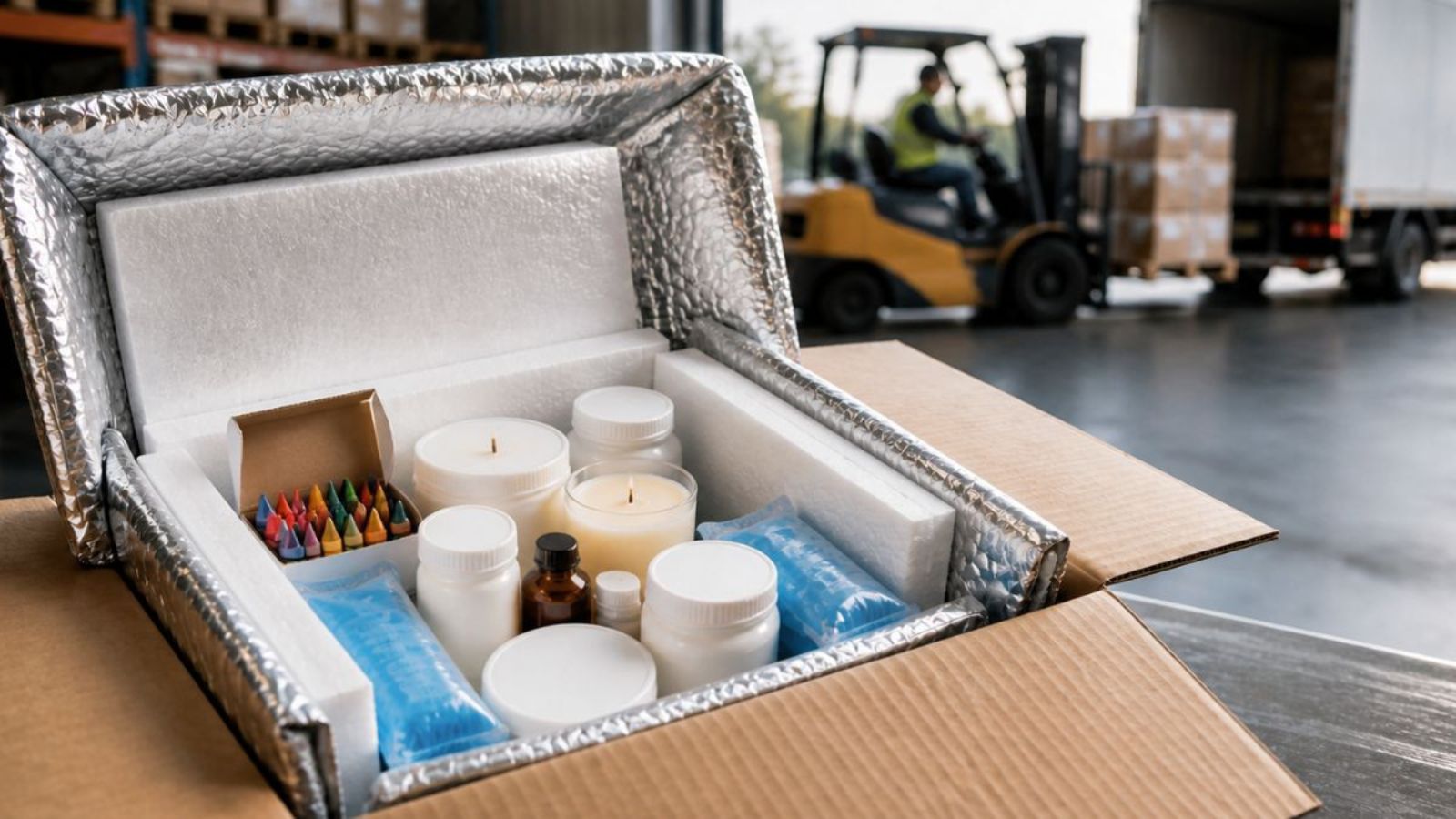
Shipping products in hot weather can be difficult. Heat can affect many types of goods, especially products that need to stay within a certain temperature range. If products get too hot during transit, they may arrive damaged, lose quality, or become unusable.
Many companies focus on making a quality product. However, what happens after the product leaves the warehouse is just as important. A shipment may travel for days through hot regions, sit in a trailer, or wait at a distribution center before reaching its destination.
That is why having the right packaging strategy for heat-sensitive products is important. The packaging you choose can help reduce temperature exposure and improve the chances that products arrive in good condition.
Why Heat Creates Problems During Transit
Heat can affect products at several points during the shipping process. A package may spend hours in a delivery truck, sit outside during loading, or remain in a warehouse without climate control.
The longer a shipment is exposed to high temperatures, the greater the risk of damage.
Some common causes of heat exposure include:
- Hot delivery vehicles
- Direct sunlight
- Shipping delays
- Long-distance transportation
- Seasonal heat waves
- Extended storage times
Even a short period of high temperatures can affect some products. This is why a strong packaging strategy for heat-sensitive products should be part of every shipping plan.
Which Products Need Extra Protection?
Not every product reacts to heat in the same way. Some items can handle temperature changes without problems. Others can be affected quickly.
Products that often need extra care include:
| Product Type | Possible Issues |
|---|---|
| Food and beverages | Spoilage, melting, reduced freshness |
| Pharmaceuticals | Reduced effectiveness |
| Cosmetics | Melting, separation, or texture changes |
| Electronics | Damage to components or batteries |
| Chemicals | Changes in stability or performance |
| Specialty materials | Warping, distortion, or deterioration |
Knowing how your product responds to heat can help you choose the right shipping solution.
How Packaging Helps Reduce Heat Exposure
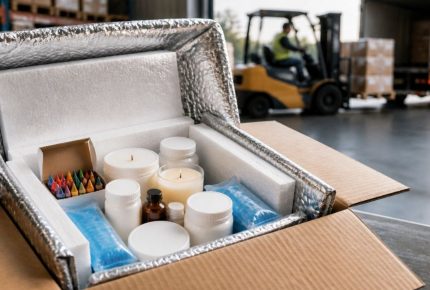
Packaging is one of the most important tools for managing heat during transit. While it cannot completely stop outside temperatures, it can slow down how quickly heat reaches the product.
Different types of packaging can help in different ways.
Common options include:
- Insulated packaging
- Thermal liners
- Reflective materials
- Gel packs
- Protective cushioning
- Temperature-controlled containers
A good packaging strategy for heat-sensitive products combines the right materials based on product requirements and the shipping route.
For example, a product traveling a few hours may only need basic insulation. A shipment crossing several states during the summer may require more advanced protection.
Choosing Packaging Based on Shipping Conditions
There is no single packaging solution that works for every shipment. The best option depends on where the product is going and how long it will be in transit.
Before selecting packaging, businesses often consider:
- Transit time
- Outside temperatures
- Product sensitivity
- Shipping destination
- Storage conditions
- Carrier handling practices
These factors help determine how much temperature control is needed.
| Shipping Condition | Packaging Need |
|---|---|
| Local deliveries | Basic insulation |
| Multi-day transit | Stronger thermal protection |
| Hot climates | Additional heat barriers |
| Fragile products | Combined cushioning and insulation |
| Highly sensitive products | Specialized packaging systems |
Taking the time to match packaging with shipping conditions can help reduce product loss and improve delivery results.
Why Testing Matters
A packaging design may perform well in one situation but not in another. That is why many companies test packaging before using it on a larger scale.
Testing helps determine whether packaging can handle real shipping conditions.
Common tests may evaluate:
- Temperature retention
- Package strength
- Insulation performance
- Product condition after transit
- Exposure to different environments
Testing can help identify problems before they affect customers. It may also reduce returns, replacement costs, and shipping waste.
Businesses often use test results to improve their packaging strategy for heat-sensitive products and make better decisions about future shipments.
Packaging Is Only One Part of the Process
Even the best packaging cannot solve every problem. Shipping and logistics decisions also affect product condition.
Businesses may lower risk by selecting appropriate shipping options and improving transportation planning. Common strategies include:
- Choosing faster shipping services
- Avoiding unnecessary delays
- Planning routes carefully
- Reducing warehouse storage time
- Monitoring weather conditions
- Improving inventory planning
When packaging and transportation plans work together, products have a better chance of arriving in good condition.
Finding the Right Balance Between Protection and Cost
Many businesses want maximum protection for their products. However, adding more insulation and materials can increase shipping costs.
The goal is to find a solution that protects products without creating unnecessary expenses.
A few questions can help guide the decision:
- How sensitive is the product to heat?
- How long will shipping take?
- What temperatures are expected during transit?
- What level of risk is acceptable?
- How much would product damage cost?
Answering these questions can help businesses choose packaging that makes sense for both product protection and budget planning.
Are You Using the Right Packaging Strategy for Heat-Sensitive Products?
Heat can create serious challenges during shipping. Products may be exposed to high temperatures while moving through warehouses, trucks, and distribution centers. Without the right safeguards, product quality can suffer before the shipment reaches its destination.
A well-planned packaging strategy for heat-sensitive products can help reduce these risks. The right combination of packaging materials, testing, appropriate shipping options, and transportation planning can help protect product condition during transit. It can also reduce waste and support a better customer experience.
As supply chains continue to grow more complex, businesses that prepare for temperature-related challenges are often better equipped to protect their products and maintain reliable deliveries.
Nationwide Freight Brokerage & Logistics Services
At The Junction LLC, we provide tailored freight brokerage solutions to meet the evolving needs of businesses across industries
Trucking & Freight Shipping Services:
-
- Overweight,
-
- Over-dimension
-
- Time-sensitive shipments
-
- LTL (Less-Than-Truckload)
-
- FTL (Full Truckload)
-
- Flatbed
-
- Flatbed LTLRGN (removable gooseneck lowboy)
-
- RGN (removable gooseneck lowboy)
-
- Maxi’s / A-Train / B-Train
-
- Heavy Haul
-
- Over Dimensional
-
- Dry Van
-
- Dry Van LTL
-
- Refrigerated
-
- Refrigerated LTL
- Power Only
Nebraska Warehouse One-Stop-Shop | TechnologyEnabled 3PL Value-Added Services Warehouse | Freight Broker | Logistics
Nebraska Warehouse doesn’t just help to facilitate your shipments, but we are truly a one-stop-shop solutions provider. Our services include:
Latest News
The latest information about our Omaha storage warehouse services
Midwest Cross-Dock Staging vs. Direct Truckload: Which Protects Fall Retail Resets at the Lowest Total Cost?
Fall retail resets create a narrow transportation window. Merchandise may be ready before stores...
September 2, 2026
From Cool Trailer to Condensation Disaster: Where Moisture Problems in the Supply Chain Actually Start
Moisture problems in the supply chain can develop even when a refrigerated trailer maintains the...
August 4, 2026
How One Missed School Delivery Window Turned Into a Weeklong Cold Chain Headache
A delivery appointment is more than a scheduled stop. In cold chain logistics, it helps keep...
July 3, 2026
Are You Using the Right Packaging Strategy for Heat-Sensitive Products in Transit?
Shipping products in hot weather can be difficult. Heat can affect many types of goods, especially...
June 12, 2026

Manual Processes vs Automated Workflows: Which Keeps Freight Moving Better in Peak Season?
Peak shipping season can create major pressure across the supply chain. Freight volume increases,...
May 21, 2026

5 Operational Tweaks That Help Keep Freight Moving When Heat, Traffic, and Volume Collide
Summer shipping becomes more difficult when heat, traffic, and freight volume rise at the same...
May 11, 2026

LTL vs. FTL: Which Option Actually Saves You More This Summer
LTL vs. FTL remains a central comparison for businesses managing shipping costs during peak summer...
April 14, 2026

Avoid the Summer Freight Squeeze: How Seasonal Demand Impacts Rates and Capacity
Every summer, many shippers and carriers feel the summer freight squeeze as increased demand and...
March 23, 2026

Questions Every Shipper Should Ask Before Choosing A Freight And Logistics Partner
Choosing a freight and logistics partner requires careful evaluation of cost, service quality, and...
March 2, 2026

How AI and Machine Learning Are Revolutionizing Freight Route Optimization
AI and machine learning reshape freight logistics by turning raw shipment data into smarter routing...
February 5, 2026