How Much Shelf Life Should Refrigerated Food Have Left When It Reaches the Customer?
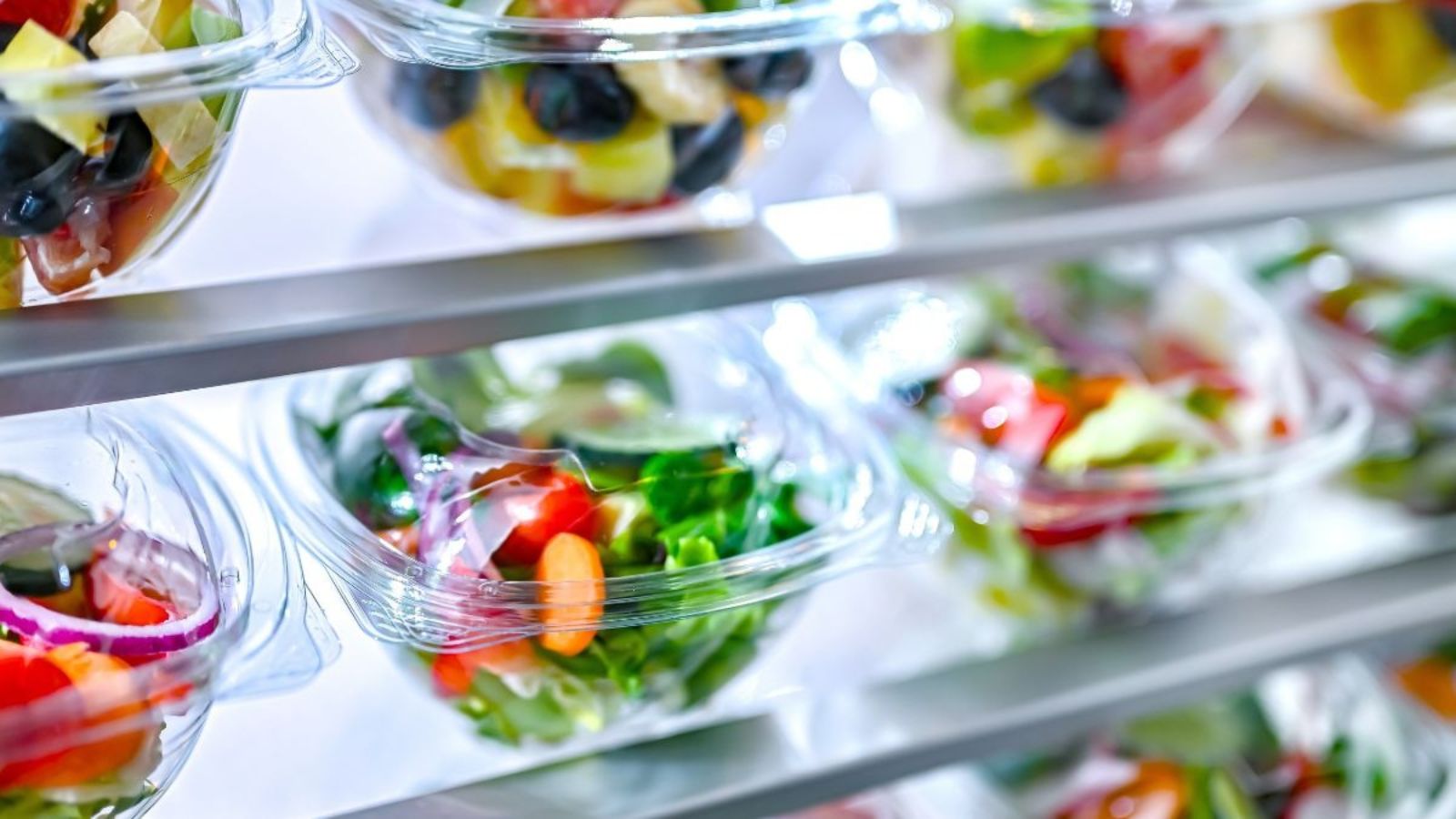
An expiration date does not tell the whole story when refrigerated food reaches a customer. Buyers also need enough time to store, deliver, and sell products before they expire. Protecting refrigerated food shelf life during transport helps businesses avoid receiving products that are already close to their expiration dates.
The time needed depends on the type of food, its original shelf life, travel time, and the customer’s delivery schedule. Clear receiving rules help ensure products arrive with enough time left for use or sale.
Check the Product’s Shelf-Life Requirements
Not all refrigerated foods last the same amount of time. Fresh meat, seafood, dairy products, and prepared meals each have different storage needs. Their ingredients, processing, packaging, and storage conditions affect refrigerated food shelf life.
Before arranging transport, check:
- The product’s total shelf life from its production date
- Its expiration or use-by date
- The required storage temperature
- The minimum shelf life needed at delivery
- The time needed for storage, delivery, and sale
Using the same rule for every product can cause problems. A restaurant that plans to use food within two days may accept a shipment that a grocery store would reject. The store needs more time to send products to its branches and sell them.
Use the product maker’s instructions and the customer’s agreement to set clear limits.
Set a Minimum Shelf-Life Requirement
There is no single rule for how many days of shelf life every refrigerated product must have left at delivery. Businesses can use a percentage of the product’s original shelf life to set a receiving target.
For example, a product with a 30-day shelf life has about 20 days left if it arrives 10 days after production. If it arrives after 25 days, only five days remain.
| Original shelf life | 50% remaining | 70% remaining |
|---|---|---|
| 14 days | 7 days | About 10 days |
| 30 days | 15 days | 21 days |
| 45 days | About 23 days | About 32 days |
| 60 days | 30 days | 42 days |
These figures are planning examples, not fixed industry rules or food safety standards. When setting a minimum, consider:
- Travel time: Count the days between production, pickup, and delivery.
- Warehouse storage: Include time spent in storage before delivery.
- Store delivery: Allow time to move products to each store.
- Customer demand: Consider how quickly the food is likely to sell or be used.
The shelf life left at delivery is not always the same as the time available for sale. For example, a grocery store may need five days to send products to its branches. Those five days should be included when setting the minimum shelf-life requirement.
A first-expired, first-out (FEFO) system can also help. It means staff use or sell products with the earliest expiration dates first. This keeps older stock from being overlooked when new shipments arrive.
Keep Food at the Right Temperature During Transport
A product may still have days before its expiration date, but poor temperature control can make it unsafe or reduce its quality.
Cold storage slows the growth of germs but does not stop all of them. Some bacteria, such as Listeria monocytogenes, can still grow at refrigerator temperatures.
Temperature limits depend on the type of food and the rules that apply. In the United States, the FDA generally advises keeping refrigerators at or below 40°F (4°C). The FDA Food Code sets 41°F (5°C) as the maximum cold-holding temperature for many foods that need time and temperature control for safety.
Common risks during transport include:
- Loading delays: Food may sit in a warm area before it enters the refrigerated truck.
- Equipment failure: A broken cooling unit can affect food temperature.
- Frequent stops: Opening the truck doors can let warm air inside.
- Unloading delays: Food may sit outside cold storage after delivery.
The air temperature inside a truck may not match the temperature of every product. Temperature records and product checks help teams spot problems. If a shipment may have been exposed to unsafe temperatures, trained staff should check it before accepting the load.
Check Shipments at Delivery
A receiving check helps catch problems before products enter storage. Staff should review:
- Expiration dates: Make sure products meet the required shelf life.
- Product temperature: Check that food meets its storage needs.
- Packaging: Look for leaks, tears, swelling, or broken seals.
- Shipment records: Check production dates, lot numbers, and temperature records.
- Product quantities: Make sure the correct items and amounts arrived.
Check more than one lot when a shipment contains different batches. Two pallets of the same product may have different production and expiration dates. Checking only one carton may not reveal all issues.
If products do not meet the agreed shelf-life limit, staff should separate them from accepted stock. They should record the dates and lot numbers, notify the shipper, and follow the agreed steps for rejection, replacement, or an approved exception.
Good records help resolve disputes and track products if a safety or quality issue comes up later.
Plan Transportation Around Product Needs
Shippers, carriers, and receivers all play a part in protecting refrigerated food. Good planning helps prevent delays and extra handling. Before booking a shipment, share:
- Required storage temperatures
- Minimum shelf life at delivery
- Pickup and delivery times
- Loading and handling instructions
- Receiving and record requirements
Full truckload and less-than-truckload shipping offer different benefits:
- Full truckload (FTL): May reduce handling and extra stops during transport.
- Less-than-truckload (LTL): May involve transfers between terminals, so delivery time and handling need careful planning.
The best option depends on the shipment size, delivery deadline, cooling needs, and remaining shelf life. Receiving sites should also prepare for incoming shipments by:
- Confirming delivery times
- Making space for unloading
- Moving products into cold storage as soon as possible
The Junction LLC offers refrigerated FTL and LTL transportation. Sharing product needs, temperature requirements, and delivery deadlines before booking helps the company plan for perishable shipments.
The goal is to deliver food with enough shelf life for customers to receive, store, distribute, and use it. Clear receiving limits and proper temperature control help protect products and reduce food waste.
Frequently Asked Questions
What is the FEFO inventory method?
First-expired, first-out (FEFO) means using or selling products with the earliest expiration dates first. It helps prevent older stock from expiring in storage.
Are expiration dates always a sign that food is safe?
No. Date labels may refer to food quality or safety, depending on the product and local rules. Proper storage and handling are still important.
Can temperature data loggers help track refrigerated shipments?
Yes. These devices record temperatures during transport. They help teams spot when conditions go outside the required range. Some also send alerts.
Can a customer reject a shipment with too little shelf life left?
Yes. A customer may reject products that do not meet the minimum shelf life in the purchase agreement or receiving rules. The issue should be recorded and handled as agreed.
What records should come with a refrigerated food shipment?
Useful records include product names, lot numbers, production and expiration dates, temperature limits, handling instructions, and temperature logs. These details help with receiving checks and product tracking.
Nationwide Freight Brokerage & Logistics Services
At The Junction LLC, we provide tailored freight brokerage solutions to meet the evolving needs of businesses across industries
Trucking & Freight Shipping Services:
-
- Overweight,
-
- Over-dimension
-
- Time-sensitive shipments
-
- LTL (Less-Than-Truckload)
-
- FTL (Full Truckload)
-
- Flatbed
-
- Flatbed LTLRGN (removable gooseneck lowboy)
-
- RGN (removable gooseneck lowboy)
-
- Maxi’s / A-Train / B-Train
-
- Heavy Haul
-
- Over Dimensional
-
- Dry Van
-
- Dry Van LTL
-
- Refrigerated
-
- Refrigerated LTL
- Power Only
Nebraska Warehouse One-Stop-Shop | TechnologyEnabled 3PL Value-Added Services Warehouse | Freight Broker | Logistics
Nebraska Warehouse doesn’t just help to facilitate your shipments, but we are truly a one-stop-shop solutions provider. Our services include:
Latest News
The latest information about our Omaha storage warehouse services

How Much Shelf Life Should Refrigerated Food Have Left When It Reaches the Customer?
An expiration date does not tell the whole story when refrigerated food reaches a customer. Buyers...
November 20, 2026

How Do You Stop Your Goods from Freezing in Transit When Shipping Across the Midwest?
Winter temperatures across the Midwest can damage products during overnight stops, warehouse...
November 2, 2026
Cross-Docking vs. Holding Freight in Storage: Which One Saves a Missed Delivery?
A shipment can reach a warehouse on time and still miss its delivery appointment. The problem may...
October 14, 2026
Why Is My Reefer Tender Being Rejected When My Contract Rate Is Still Valid?
A reefer tender can be rejected even when the contracted rate is still active. This can be...
September 25, 2026

Midwest Cross-Dock Staging vs. Direct Truckload: Which Protects Fall Retail Resets at the Lowest Total Cost?
Fall retail resets create a narrow transportation window. Merchandise may be ready before stores...
September 2, 2026
From Cool Trailer to Condensation Disaster: Where Moisture Problems in the Supply Chain Actually Start
Moisture problems in the supply chain can develop even when a refrigerated trailer maintains the...
August 4, 2026
How One Missed School Delivery Window Turned Into a Weeklong Cold Chain Headache
A delivery appointment is more than a scheduled stop. In cold chain logistics, it helps keep...
July 3, 2026
Are You Using the Right Packaging Strategy for Heat-Sensitive Products in Transit?
Shipping products in hot weather can be difficult. Heat can affect many types of goods, especially...
June 12, 2026

Manual Processes vs Automated Workflows: Which Keeps Freight Moving Better in Peak Season?
Peak shipping season can create major pressure across the supply chain. Freight volume increases,...
May 21, 2026

5 Operational Tweaks That Help Keep Freight Moving When Heat, Traffic, and Volume Collide
Summer shipping becomes more difficult when heat, traffic, and freight volume rise at the same...
May 11, 2026