Midwest Cross-Dock Staging vs. Direct Truckload: Which Protects Fall Retail Resets at the Lowest Total Cost?

Fall retail resets create a narrow transportation window. Merchandise may be ready before stores can receive it, while other shipments may arrive later than expected or come from multiple suppliers.
That creates a recurring question for Midwest shippers: Is cross-dock staging worth the additional handling, or is direct truckload the lower-cost option?
The answer depends on more than the quoted truck rate. Delivery appointments, freight availability, number of destinations, handling requirements, and the cost of missing the reset can change which option is actually less expensive.
The Delivery Window Matters
Direct truckload works well when freight is ready, trailer capacity is available, and the destination can receive the shipment when it arrives.
The problem develops when those schedules do not line up. A retailer may have merchandise ready several days before a store appointment, leaving the shipment with nowhere productive to go.
Cross-dock staging creates a way to separate the arrival of freight from the final delivery date. Freight can move into a Midwest facility, be handled according to destination, and continue when the receiving window is available. This can be useful when:
- Merchandise is ready before the store appointment
- Multiple suppliers feed the same retail market
- Freight must be organized by destination
- Several deliveries need to be coordinated around one reset
- The receiving window is narrower than the transportation schedule
- Freight needs a short-term location between transportation legs
A useful planning step is to compare confirmed freight availability with the required delivery date. Several days of schedule flexibility may make staging useful. Freight that becomes available shortly before delivery may be better suited to direct truckload.
Treat estimated product availability carefully. If transportation is booked around an expected pickup date and loading changes, the delivery plan can shift and create additional costs.
When Direct Truckload Works
Direct truckload remains the simpler choice when the shipment is already aligned from origin to destination.
A retailer with one supplier, one destination, confirmed product availability, and an open receiving appointment may have little reason to introduce an intermediate facility.
Cross-docking creates additional operational steps. Freight must be received, handled, organized, and loaded for the next move. Those activities can add facility and handling charges.
The misconception is that every time-sensitive retail shipment benefits from staging. A direct move can be more efficient when schedules align, and no intermediate handling is required.
Looking Beyond the Truck Rate
A direct truckload quote can look less expensive when compared only with the transportation and handling charges associated with staging.
That comparison can change when you include the consequences of the delivery schedule.
Costs worth reviewing include:
- Linehaul
- Cross-dock handling
- Short-term staging or storage
- Additional transportation legs
- Store delivery appointments
- Pallet breakdown or sorting
- Additional labor
- Expedited transportation if the reset is missed
- Extra trips caused by poorly timed deliveries
A direct shipment that reaches a store before the receiving window may not provide a useful savings if the freight then requires another transportation arrangement.
The same applies to late freight. A lower initial rate does not necessarily represent a lower total cost if another truck is needed to recover the reset schedule.
The comparison should therefore use the same final requirement for both options: getting the merchandise to the required destination within the usable reset window.
When Multiple Destinations Matter
One origin shipping a full truckload to one destination is relatively straightforward. Multiple suppliers feeding several retail locations create more opportunities for consolidation, sorting, and coordinated delivery.
Cross-dock staging can allow freight to be organized according to its next destination before final delivery. This can be useful when shipments need to be divided, consolidated, or scheduled around different receiving appointments.
| Planning Factor | Direct Truckload | Cross-Dock Staging |
|---|---|---|
| One origin and destination | Often a strong fit | May add unnecessary handling |
| Freight ready near delivery date | Often a strong fit | May provide limited added value |
| Multiple suppliers | Requires separate coordination | Can support consolidation and sorting |
| Tight store appointments | More dependent on schedule alignment | Can separate freight arrival from final delivery |
| Short-term holding needed | Limited | Can provide a planned staging point |
| Sorting before final delivery | May require additional planning | Can incorporate handling before delivery |
Freight details also matter. A shipment may require pallet breakdown, destination sorting, relabeling, or separate outbound appointments once the number of stores increases. Those requirements should be identified before comparing rates.
Choosing the Lowest Total Cost
For fall retail resets, the better option depends on how closely the shipment and delivery schedules align.
- Direct truckload is generally the better fit when freight is ready, and trailer capacity can be used efficiently. It works best when origin and destination schedules also align.
- Cross-dock staging becomes more valuable when the shipment has a timing gap or multiple origins and destinations. It can also help when receiving windows are short or additional handling is required.
The lowest total cost is not necessarily the option with the lowest transportation quote. The option gets the merchandise through the reset window without creating avoidable:
- Handling costs
- Transportation costs
- Labor costs
- Recovery costs from missed or poorly timed deliveries
For Midwest retail freight, comparing both options against the actual reset schedule, freight readiness, delivery requirements, and handling needs provides a more reliable cost decision than comparing linehaul rates alone.
Frequently Asked Questions
Can cross-dock staging handle early freight?
Yes. Planned staging can provide an intermediate location when freight is ready before the final delivery window. The arrangement depends on the facility’s capabilities and how long the freight needs to remain there.
Does cross-dock staging require sorting?
No. Handling requirements depend on the shipment. Some freight can move through with minimal handling, while other loads may require destination sorting or pallet breakdown.
What happens if a truck arrives early?
If freight arrives before the destination can receive it, the shipment may require rescheduling or another transportation arrangement. Confirming freight readiness and the receiving appointment reduces this risk.
Can multiple suppliers share one transportation plan?
They can be evaluated together when several suppliers are shipping into the same retail market or region. This can reveal consolidation or staging opportunities that individual shipment quotes may overlook.
What is needed for a cost comparison?
Useful information includes origin and destination locations, freight dimensions and weight, confirmed availability dates, required delivery dates, number of destinations, appointment requirements, and handling needs. These details allow both options to be evaluated against the complete delivery requirement.
Nationwide Freight Brokerage & Logistics Services
At The Junction LLC, we provide tailored freight brokerage solutions to meet the evolving needs of businesses across industries
Trucking & Freight Shipping Services:
-
- Overweight,
-
- Over-dimension
-
- Time-sensitive shipments
-
- LTL (Less-Than-Truckload)
-
- FTL (Full Truckload)
-
- Flatbed
-
- Flatbed LTLRGN (removable gooseneck lowboy)
-
- RGN (removable gooseneck lowboy)
-
- Maxi’s / A-Train / B-Train
-
- Heavy Haul
-
- Over Dimensional
-
- Dry Van
-
- Dry Van LTL
-
- Refrigerated
-
- Refrigerated LTL
- Power Only
Nebraska Warehouse One-Stop-Shop | TechnologyEnabled 3PL Value-Added Services Warehouse | Freight Broker | Logistics
Nebraska Warehouse doesn’t just help to facilitate your shipments, but we are truly a one-stop-shop solutions provider. Our services include:
Latest News
The latest information about our Omaha storage warehouse services
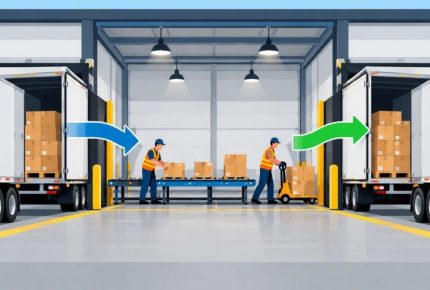
Cross-Docking vs. Holding Freight in Storage: Which One Saves a Missed Delivery?
A shipment can reach a warehouse on time and still miss its delivery appointment. The problem may...
October 14, 2026
Why Is My Reefer Tender Being Rejected When My Contract Rate Is Still Valid?
A reefer tender can be rejected even when the contracted rate is still active. This can be...
September 25, 2026

Midwest Cross-Dock Staging vs. Direct Truckload: Which Protects Fall Retail Resets at the Lowest Total Cost?
Fall retail resets create a narrow transportation window. Merchandise may be ready before stores...
September 2, 2026
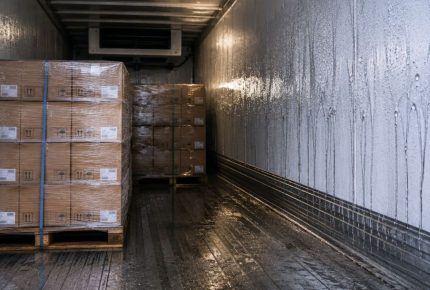
From Cool Trailer to Condensation Disaster: Where Moisture Problems in the Supply Chain Actually Start
Moisture problems in the supply chain can develop even when a refrigerated trailer maintains the...
August 4, 2026

How One Missed School Delivery Window Turned Into a Weeklong Cold Chain Headache
A delivery appointment is more than a scheduled stop. In cold chain logistics, it helps keep...
July 3, 2026

Are You Using the Right Packaging Strategy for Heat-Sensitive Products in Transit?
Shipping products in hot weather can be difficult. Heat can affect many types of goods, especially...
June 12, 2026

Manual Processes vs Automated Workflows: Which Keeps Freight Moving Better in Peak Season?
Peak shipping season can create major pressure across the supply chain. Freight volume increases,...
May 21, 2026

5 Operational Tweaks That Help Keep Freight Moving When Heat, Traffic, and Volume Collide
Summer shipping becomes more difficult when heat, traffic, and freight volume rise at the same...
May 11, 2026
LTL vs. FTL: Which Option Actually Saves You More This Summer
LTL vs. FTL remains a central comparison for businesses managing shipping costs during peak summer...
April 14, 2026

Avoid the Summer Freight Squeeze: How Seasonal Demand Impacts Rates and Capacity
Every summer, many shippers and carriers feel the summer freight squeeze as increased demand and...
March 23, 2026