How Do You Stop Your Goods from Freezing in Transit When Shipping Across the Midwest?

Winter temperatures across the Midwest can damage products during overnight stops, warehouse transfers, or unexpected delays. Even goods that leave a warehouse in good condition may arrive unusable after prolonged cold exposure.
Preventing goods from freezing in transit starts with understanding each product’s temperature limits, the journey length, and the conditions the shipment may encounter along the way. Packaging, transportation equipment, and careful coordination all help protect sensitive cargo.
Identify Goods at Risk
Products react differently to cold. Some liquids freeze, certain materials become brittle, and other goods may experience changes in consistency or performance. Knowing how a product responds to low temperatures helps determine the level of protection it needs.
Before arranging transportation, establish:
- The minimum temperature the product can tolerate
- How long it can withstand cold exposure
- Whether freezing causes permanent damage
- Manufacturer requirements for storage and transportation
- Sensitivity to moisture or condensation
Storage requirements do not always reflect the full range of conditions a product can tolerate during shipping. Check the manufacturer’s specifications rather than assuming a product can handle short periods of freezing temperatures.
These details help determine whether insulated packaging will be sufficient or whether the shipment needs temperature-controlled transportation.
Use Insulated Packaging
Insulated packaging slows heat loss but cannot generate heat or maintain a required temperature indefinitely. Its effectiveness depends on the packaging design, outside temperature, and length of exposure.
Depending on the cargo, protective measures may include:
- Insulated liners or thermal containers
- Properly fitted cartons that limit unnecessary space
- Moisture-resistant outer packaging
- Protective materials suited to the product’s handling requirements
Consider how long the shipment will travel and whether it will face overnight stops or extended periods in a warehouse. Packaging suitable for a short local delivery may not provide enough protection during a multi-day journey through freezing conditions.
For sensitive products, test packaging under conditions similar to the expected trip. Account for the product’s starting temperature, anticipated cold exposure, and total transit time. Testing can help reveal weaknesses before the shipment faces severe winter weather.
Choose the Right Transportation
A standard enclosed trailer does not necessarily stay above freezing. When packaging alone cannot protect sensitive cargo, temperature-controlled equipment may be needed.
Confirm whether the shipment requires heating or cooling. Refrigerated equipment is not automatically suitable for products that must remain above freezing. The carrier needs to know the required temperature range before booking so the equipment matches the cargo’s needs.
Choosing appropriate equipment helps protect goods from freezing in transit, particularly during prolonged cold weather or long-distance shipments.
When comparing transportation options, consider:
- Route conditions: Check forecast temperatures along the route, including overnight lows and areas expecting severe winter weather.
- Transit time: Account for scheduled travel, loading, unloading, and possible delays.
- Equipment capabilities: Confirm that the trailer can maintain the required temperature throughout the journey.
- Transfer points: Check whether intermediate facilities can accommodate the cargo and its handling requirements.
A shorter route may reduce exposure, but speed alone does not guarantee protection. Suitable equipment, reliable scheduling, and temperature management are all important when transporting sensitive goods.
Protect Cargo During Transfers
Loading, unloading, and temporary staging can expose freight to cold even when the transportation equipment is suitable. These risks increase when shipments pass through multiple warehouses or distribution centers.
Coordinate each handoff in advance to reduce unnecessary exposure:
- Confirm pickup and delivery appointments.
- Prepare receiving staff and unloading equipment.
- Minimize time in outdoor staging areas where practical.
- Communicate temperature and handling requirements to everyone involved.
- Identify suitable holding arrangements if the next transportation leg is delayed.
Clear communication matters when several parties handle the same shipment. Drivers, warehouse staff, and receiving teams should understand any temperature limits and know how to handle the cargo if schedules change.
Warehouse procedures and transfer arrangements should support the same temperature requirements as the transportation plan.
Prepare for Delays and Equipment Problems
Road closures, severe weather, mechanical failures, and missed appointments can extend transit time. A contingency plan helps protect goods from freezing in transit when unexpected conditions arise.
Temperature data loggers and compatible monitoring systems can record conditions throughout a journey. Some devices also provide alerts when temperatures move outside an acceptable range, allowing responsible personnel to respond before a problem goes unnoticed.
Before shipping, establish:
- Who receives temperature alerts and contacts the carrier
- Where cargo can be moved if equipment fails
- What actions are authorized when temperatures approach unsafe levels
- How temperature records and suspected damage will be documented
Monitoring is useful only when someone can respond. Depending on the situation, the response may involve arranging suitable temporary storage, transferring the cargo to appropriate equipment, or delaying delivery while the shipment is assessed.
If freezing is suspected, document the exposure and follow the manufacturer’s inspection instructions. Thawing alone does not confirm that a product remains safe or usable.
Match Protection to Shipping Risks
The right precautions depend on the cargo, expected weather, and potential exposure time. This comparison can help shippers identify which measures deserve priority.
| Shipping situation | Practical approach |
|---|---|
| Brief cold exposure | Consider suitable insulated packaging. |
| Strict temperature limits | Confirm compatible temperature-controlled equipment. |
| Multiday winter transit | Evaluate packaging, equipment, route, and monitoring together. |
| Multiple warehouse transfers | Coordinate handling and minimize exposure. |
| Uncertain delivery schedule | Plan for delays and suitable temporary storage. |
| Suspected freezing | Review temperature records and follow manufacturer guidance. |
These precautions work together rather than replacing one another. Packaging slows heat loss, appropriate equipment helps maintain the required temperature, and monitoring can reveal problems during transit.
The Junction LLC can be a starting point for discussing freight requirements and logistics arrangements. Shippers should provide accurate product specifications, temperature limits, delivery deadlines, and handling instructions before booking transportation.
Planning for cold exposure throughout the journey helps prevent freezing damage during Midwest winter shipping.
Frequently Asked Questions
Can goods freeze inside a closed trailer?
Yes. An ordinary enclosed trailer does not necessarily maintain temperatures above freezing. During prolonged cold weather, its interior can become cold enough to damage sensitive products.
How should shippers prepare products before loading?
Follow the manufacturer’s instructions. Confirm whether the product needs to be conditioned to a specific temperature before packing, and avoid shipping goods outside their permitted temperature range.
Does every winter shipment need a heated trailer?
No. Some products may be adequately protected with suitable packaging, while others require equipment capable of maintaining a specified temperature throughout transit. The choice depends on product requirements and expected exposure.
What should shippers check in a temperature monitoring device?
Check its measurement range, accuracy, recording interval, battery life, and data retrieval options. For shipments requiring immediate intervention, confirm that it can send alerts during transit rather than only storing readings for later review.
What should happen if a shipment may have frozen?
Document the suspected exposure, review available temperature records, and follow the manufacturer’s inspection instructions. Testing or disposal may be necessary, depending on the product. Thawing does not guarantee that the goods remain usable.
Nationwide Freight Brokerage & Logistics Services
At The Junction LLC, we provide tailored freight brokerage solutions to meet the evolving needs of businesses across industries
Trucking & Freight Shipping Services:
-
- Overweight,
-
- Over-dimension
-
- Time-sensitive shipments
-
- LTL (Less-Than-Truckload)
-
- FTL (Full Truckload)
-
- Flatbed
-
- Flatbed LTLRGN (removable gooseneck lowboy)
-
- RGN (removable gooseneck lowboy)
-
- Maxi’s / A-Train / B-Train
-
- Heavy Haul
-
- Over Dimensional
-
- Dry Van
-
- Dry Van LTL
-
- Refrigerated
-
- Refrigerated LTL
- Power Only
Nebraska Warehouse One-Stop-Shop | TechnologyEnabled 3PL Value-Added Services Warehouse | Freight Broker | Logistics
Nebraska Warehouse doesn’t just help to facilitate your shipments, but we are truly a one-stop-shop solutions provider. Our services include:
Latest News
The latest information about our Omaha storage warehouse services

How Do You Stop Your Goods from Freezing in Transit When Shipping Across the Midwest?
Winter temperatures across the Midwest can damage products during overnight stops, warehouse...
November 2, 2026
Cross-Docking vs. Holding Freight in Storage: Which One Saves a Missed Delivery?
A shipment can reach a warehouse on time and still miss its delivery appointment. The problem may...
October 14, 2026
Why Is My Reefer Tender Being Rejected When My Contract Rate Is Still Valid?
A reefer tender can be rejected even when the contracted rate is still active. This can be...
September 25, 2026

Midwest Cross-Dock Staging vs. Direct Truckload: Which Protects Fall Retail Resets at the Lowest Total Cost?
Fall retail resets create a narrow transportation window. Merchandise may be ready before stores...
September 2, 2026
From Cool Trailer to Condensation Disaster: Where Moisture Problems in the Supply Chain Actually Start
Moisture problems in the supply chain can develop even when a refrigerated trailer maintains the...
August 4, 2026
How One Missed School Delivery Window Turned Into a Weeklong Cold Chain Headache
A delivery appointment is more than a scheduled stop. In cold chain logistics, it helps keep...
July 3, 2026
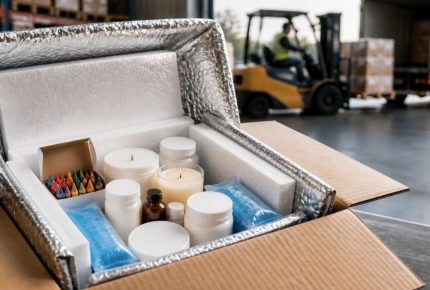
Are You Using the Right Packaging Strategy for Heat-Sensitive Products in Transit?
Shipping products in hot weather can be difficult. Heat can affect many types of goods, especially...
June 12, 2026

Manual Processes vs Automated Workflows: Which Keeps Freight Moving Better in Peak Season?
Peak shipping season can create major pressure across the supply chain. Freight volume increases,...
May 21, 2026

5 Operational Tweaks That Help Keep Freight Moving When Heat, Traffic, and Volume Collide
Summer shipping becomes more difficult when heat, traffic, and freight volume rise at the same...
May 11, 2026

LTL vs. FTL: Which Option Actually Saves You More This Summer
LTL vs. FTL remains a central comparison for businesses managing shipping costs during peak summer...
April 14, 2026